

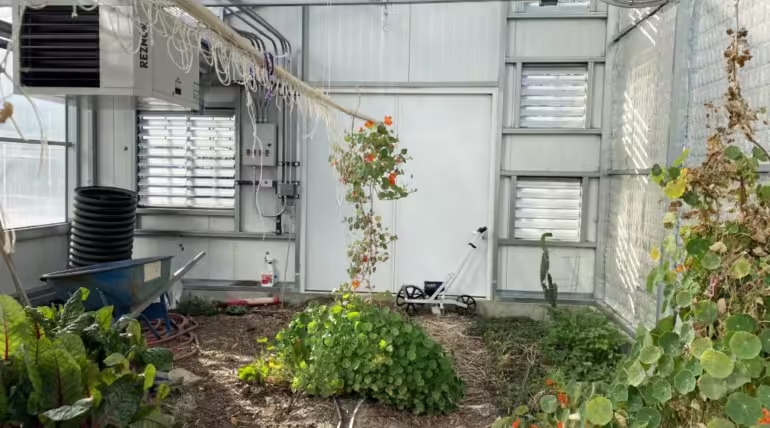
Building a Raised Floor Greenhouse on a Budget: A Guide to Affordable Gardening
As the sun peeks over the horizon and the earth awakens, the allure of gardening calls to many. However, what if you could cultivate not just a garden but an entire ecosystem, one that thrives in its own controlled environment? Enter the raised floor greenhouse—an ingenious solution that not only enhances your gardening experience but also elevates the health and productivity of your plants. While the idea of constructing a greenhouse may seem overwhelming, especially when considering the costs, the truth is that it doesn’t have to be an expensive endeavor.
In this article, we will explore the principles and techniques to build a raised floor greenhouse without breaking the bank. From selecting the right materials to implementing DIY strategies, you’ll discover practical tips that enable you to create a thriving green space, all while keeping your budget intact. Whether you’re a seasoned gardener or a curious novice, our guide will empower you to transform your gardening dreams into a reality—one affordable step at a time. Join us on this journey to cultivate not just plants, but also creativity and sustainability in your outdoor environment.
Table of Contents
- Planning Your Raised Floor Greenhouse for Budget-Friendly Success
- Choosing Inexpensive Materials Without Compromising Quality
- Designing Efficient Drainage Systems for Durability and Growth
- Maximizing Space and Functionality in Your Greenhouse Layout
- Q&A
- To Wrap It Up
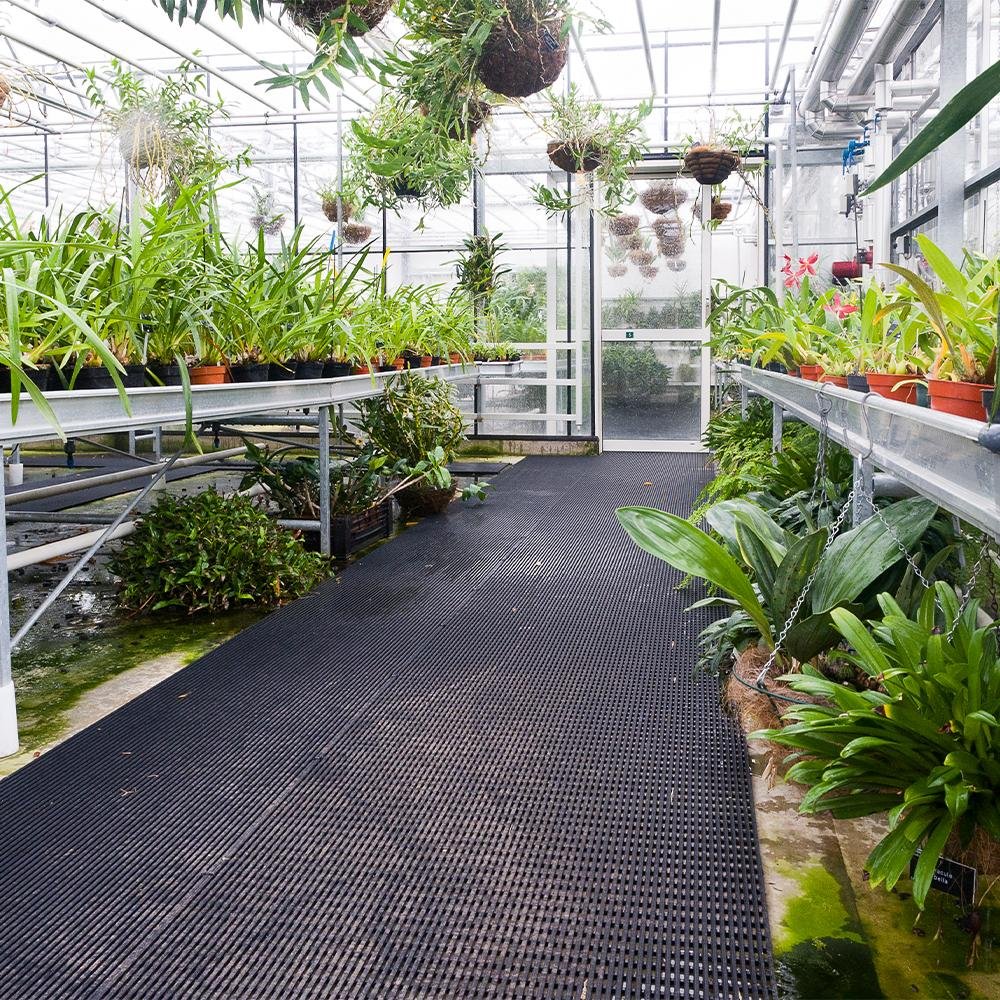
Planning Your Raised Floor Greenhouse for Budget-Friendly Success
When setting up your raised floor greenhouse with a budget in mind, it’s essential to consider a few key elements to maximize efficiency without overspending. Start by selecting affordable yet durable materials for both the greenhouse structure and the raised floor. Here’s a quick list of cost-effective materials to consider:
- Reclaimed wood or pallet boards for flooring
- Polycarbonate panels for the cover
- Metal pipes or treated lumber for the frame
- Repurposed windows for ventilation
Additionally, design plays a crucial role in the overall budget. A well-planned layout can increase productivity and save costs. You might want to create a simple DIY plan outlining essential features such as:
- Maximize sunlight exposure by positioning it south-facing
- Integrate rainwater collection systems
- Use vertical gardening techniques to conserve space
- Plan for easy access paths to minimize material waste
| Feature | Benefit |
|---|---|
| Raised flooring | Improves drainage and soil health |
| Ventilation windows | Reduces humidity and prevents plant diseases |
| Eco-friendly materials | Lower environmental impact and costs |
Choosing Inexpensive Materials Without Compromising Quality
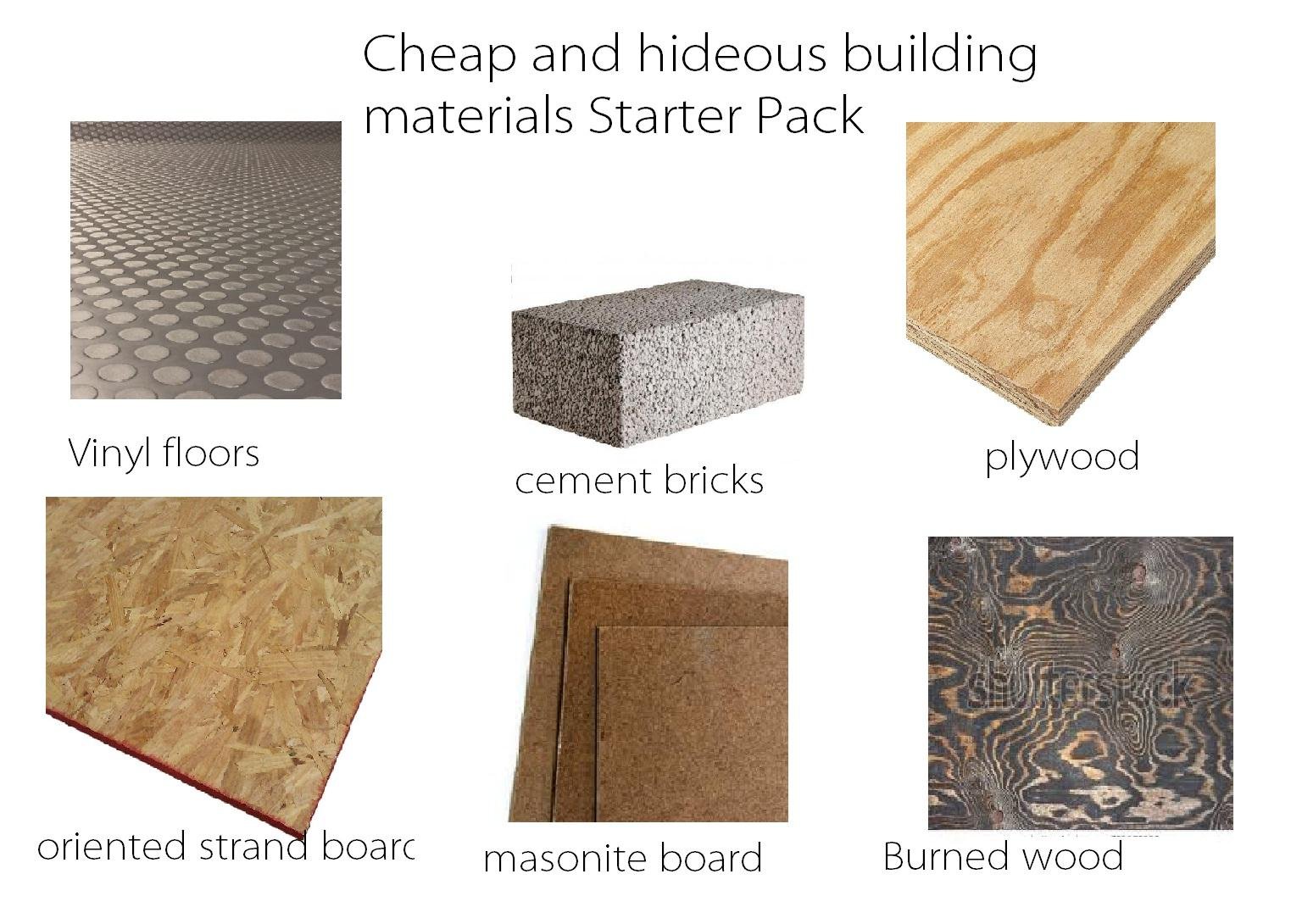
Building a raised floor greenhouse on a budget is entirely feasible when you carefully select the materials you use. Start by exploring local suppliers or online marketplaces for reclaimed wood and second-hand materials, which can often be found at a fraction of the cost of new items. Consider using these affordable options:
- Pallets: Many retailers discard pallets that can be repurposed for frames.
- Plastic sheeting: A cheaper alternative to glass that provides adequate sunlight and insulation.
- Bamboo: Fast-growing and sustainable, bamboo is strong yet lightweight.
Additionally, when thinking about structural materials, focus on durability rather than initial cost. For the flooring, utilize materials that resist rot and wear, such as composite decking or rubber mats. Not only will these options save you money in the long run, but they also ensure a strong base for your greenhouse. To illustrate your choices, consider the following comparison of affordability and durability of materials:
| Material | Cost (per sq ft) | Durability Rating |
|---|---|---|
| Reclaimed Wood | $2 – $5 | High |
| Composite Decking | $3 – $7 | Very High |
| Rubber Mats | $1 – $4 | Medium |
| Bamboo | $2 – $4 | High |
Designing Efficient Drainage Systems for Durability and Growth
When constructing raised floor greenhouses, a key consideration is the implementation of a reliable drainage system that not only protects the structure but also encourages plant growth. A well-designed drainage solution can prevent water accumulation that may compromise plant roots and structural integrity. To achieve this, consider the following components:
- Gravel Beds: Placing a layer of gravel beneath the flooring promotes water flow and provides a natural filtration system.
- Sloped Floors: Designing the floor with a slight slope directs excess water towards drainage outlets, ensuring proper evacuation.
- Perforated Pipe Systems: Incorporating perforated pipes can effectively channel away excess water from within the greenhouse.
Additionally, the materials chosen for the greenhouses should support long-term durability while still being cost-effective. Consider using recycled materials or local resources to minimize expenses while enhancing sustainability. Here’s a quick comparison of potential materials:
| Material | Cost Estimate | Durability | Availability |
|---|---|---|---|
| Wood | $$ | Medium | High |
| Metal | $$$ | High | Medium |
| Plastic | $ | Low | High |
Ultimately, selecting the right combination of drainage features and materials not only promotes a thriving greenhouse ecosystem but also ensures that the structure stands the test of time, offering a cost-effective solution for years to come.
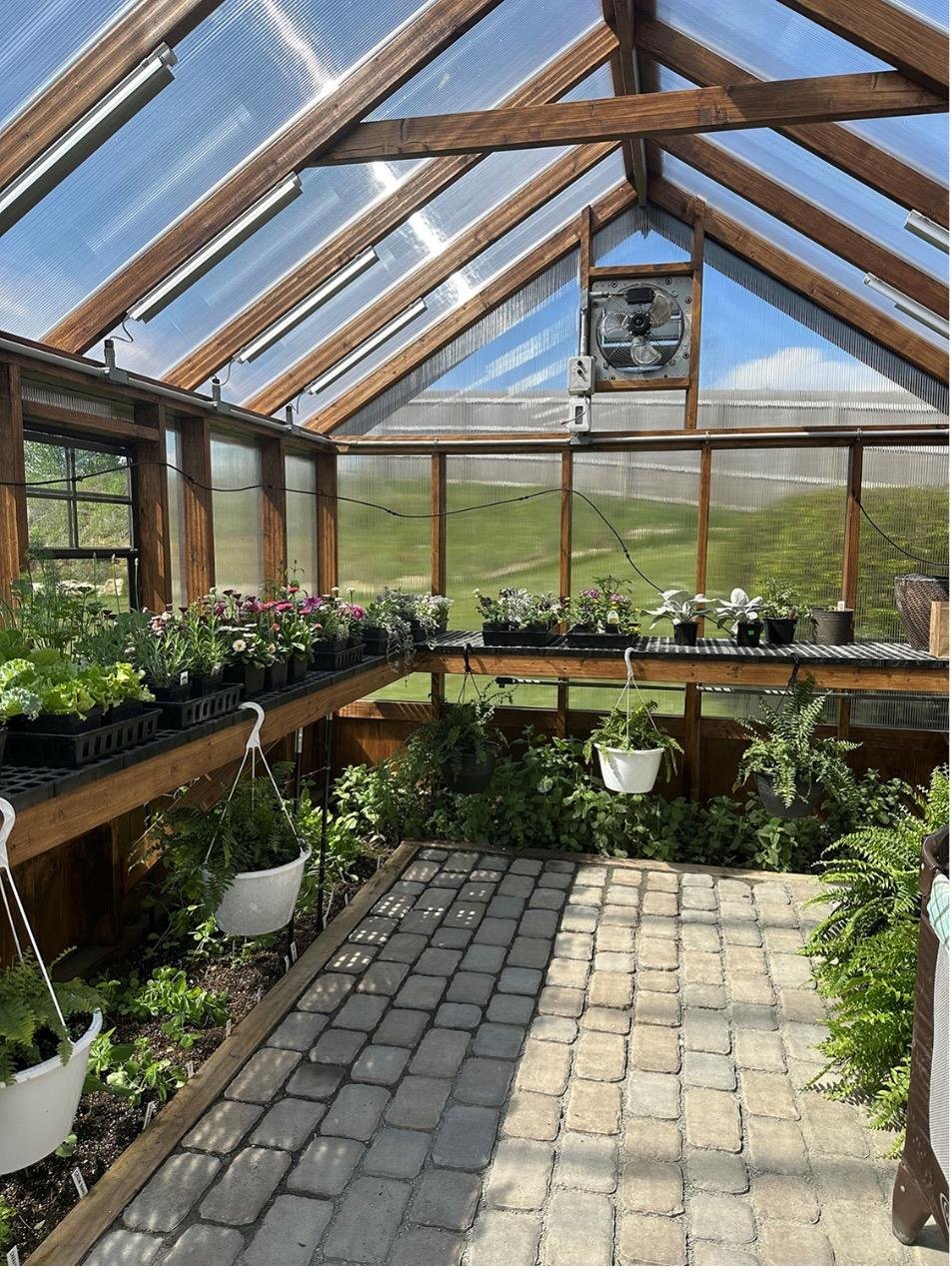
Maximizing Space and Functionality in Your Greenhouse Layout
When designing your greenhouse, maximizing space and functionality is essential. Start by selecting a smart layout that accommodates both plants and essential tools. Here are a few tips to optimize your greenhouse space:
- Vertical gardening: Use shelving and hanging planters to take advantage of vertical space.
- Pathways: Incorporate wide pathways for easy access, keeping the layout functional and organized.
- Modular shelving: Use adjustable shelving that can be reconfigured as your plants grow or change over time.
Another effective strategy is to establish defined zones within your greenhouse. This will not only enhance accessibility but also ensure that different types of plants and gardening activities have their own space to thrive:
| Zone | Purpose | Ideal Plants |
|---|---|---|
| Propagation Area | Growing seedlings and cuttings | Herbs, vegetables |
| Growing Zone | Mature plant development | Fruits, flowers |
| Storage Zone | Organizing tools and supplies | N/A |
Q&A
Q&A: How to Build a Raised Floor Greenhouse Cheap
Q: What is a raised floor greenhouse, and why should I consider building one?
A: A raised floor greenhouse is a structure where the growing area is elevated off the ground, often using wood, bricks, or other materials. This design improves drainage, reduces pest exposure, and helps maintain a more controlled environment. Building one can be a cost-effective way to extend your growing season and enhance plant health without breaking the bank.
Q: What are the basic materials needed for constructing a raised floor greenhouse on a budget?
A: To build a budget-friendly raised floor greenhouse, you will typically need the following materials: reclaimed wood or pallets for the floor frame, transparent plastic sheeting or old windows for the walls and roof, hinges and latches for doors, and basic tools like a saw, hammer, and nails. You can often find materials at local salvage yards or online marketplaces for a fraction of the price.
Q: How do I choose the right location for my greenhouse?
A: Selecting the right location is crucial. Look for a sunny spot that gets at least six hours of sunlight daily. Ensure the area has good drainage and is not prone to high winds or flooding. A slightly elevated area can help reduce water pooling and increase sunlight exposure, making it an ideal location.
Q: What is the process for building the raised floor?
A: Start by clearing the area of debris and leveling the ground. Construct a frame using your reclaimed wood or pallets, ensuring it is sturdy enough to support the weight of the greenhouse and plants. Secure the frame to the ground using stakes or brackets. cover the frame with plywood or sturdy boards to create a solid floor surface.
Q: How can I insulate my greenhouse without spending a fortune?
A: Insulating your greenhouse can be done economically by using materials like bubble wrap or frost blankets. These can be draped over the inside of the walls and roof to retain heat. Plastic bottles filled with water can also serve as thermal mass, absorbing heat during the day and releasing it at night.
Q: What are some cost-effective design options for the walls and roof?
A: Consider using transparent plastic sheeting, which is often cheaper than glass and lightweight. Repurposed windows can add character and allow proper ventilation when opened. For DIYers, greenhouse kits made from PVC pipes and plastic sheeting can also be an economical and portable option.
Q: How can I save on heating costs during colder months?
A: To keep your greenhouse warm without spending a fortune, you can use passive solar techniques. Position your greenhouse to capture maximum sunlight, use thermal mass (like barrels of water), and insulate using reused materials. In addition, consider small solar-powered heaters or heat mats for targeted warming where necessary.
Q: Do I need any special permits for building a greenhouse?
A: Requirements vary by location, so it’s best to check with your local building authority. Some areas may require permits for structures that exceed a certain size or are built in specific zoning areas. If you’re using only a few pallets and some plastic sheeting, you might be in the clear, but it’s always wise to verify.
Q: What are some common mistakes to avoid when building a raised floor greenhouse?
A: Common pitfalls include inadequate drainage, ignoring sunlight direction, and building too large without considering budget or materials. Failing to properly secure the structure against wind and weather can also lead to damage. Always plan your design carefully and create a budget before starting.
Q: How can I maintain my budget throughout the building process?
A: Set a clear budget before you start and stick to it. Look for ways to repurpose materials and reuse what you can. Consider enlisting friends or family to help with the construction as a fun group project. Regularly revisit your plan to keep costs in check and avoid impulse purchases.
Q: What can I grow in my raised floor greenhouse?
A: You can grow a wide variety of plants in your raised floor greenhouse, including vegetables, herbs, and flowers. The controlled environment often allows for year-round gardening, giving you the opportunity to experiment with different plants and even start seedlings early in the season.
By following these steps and considerations, you can build a raised floor greenhouse that fits your budget and enhances your gardening experience!
To Wrap It Up
Conclusion
Building a raised floor greenhouse on a budget is not just an achievable DIY project; it’s a gateway to cultivating your gardening dreams without breaking the bank. By embracing creativity, repurposing materials, and careful planning, you can create a nurturing environment for your plants while also enjoying the process of building something uniquely yours. Whether you’re growing fresh vegetables, vibrant flowers, or herbs, the raised floor structure will enhance drainage, accessibility, and climate control, ensuring your green oasis thrives.
As you embark on this journey, remember that the heart of gardening lies in experimentation and perseverance. Each step of the building process is an opportunity to learn and grow, just like the plants you’ll nurture inside your greenhouse. So roll up your sleeves, gather your materials, and let your imagination guide you. In the world of gardening, the possibilities are endless, and your affordable raised floor greenhouse is just the beginning of a bountiful adventure. Happy gardening!