

Introduction:
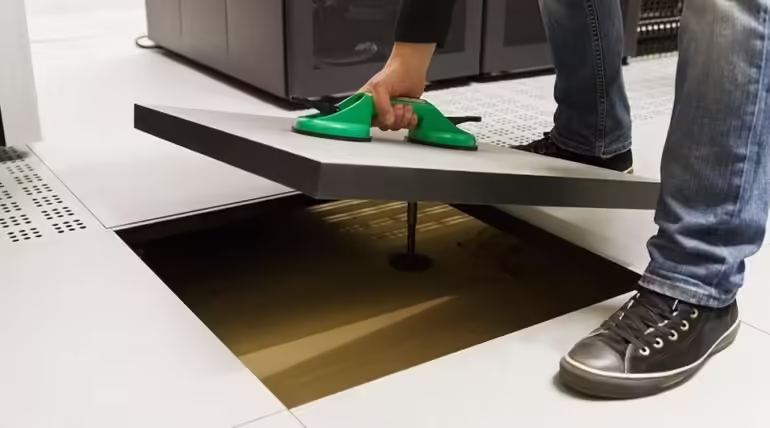
In the world of modern architecture and interior design, the raised floor system has emerged as a practical and aesthetically pleasing solution to a variety of space challenges. From office buildings that require seamless access to wiring and utilities, to home environments seeking flexibility and style, raised floors bring both functionality and flair to the table. However, as with any design decision, a common question arises: how much does it truly cost to install a raised floor? This article delves into the various factors that influence the price of a raised floor system, exploring the materials, installation processes, and ongoing maintenance considerations that can impact your budget. Whether you’re a business owner contemplating an upgrade or a homeowner embarking on a renovation journey, understanding the costs associated with raised flooring is essential for making informed decisions. Join us as we navigate this multifaceted landscape and uncover the financial implications of elevating your space.
Table of Contents
- Understanding the Factors Influencing Raised Floor Costs
- Comparative Analysis of Material Options for Raised Flooring
- Budgeting for Installation: What to Expect
- Long-Term Value: Maintenance and Durability Considerations
- Q&A
- Final Thoughts
Understanding the Factors Influencing Raised Floor Costs
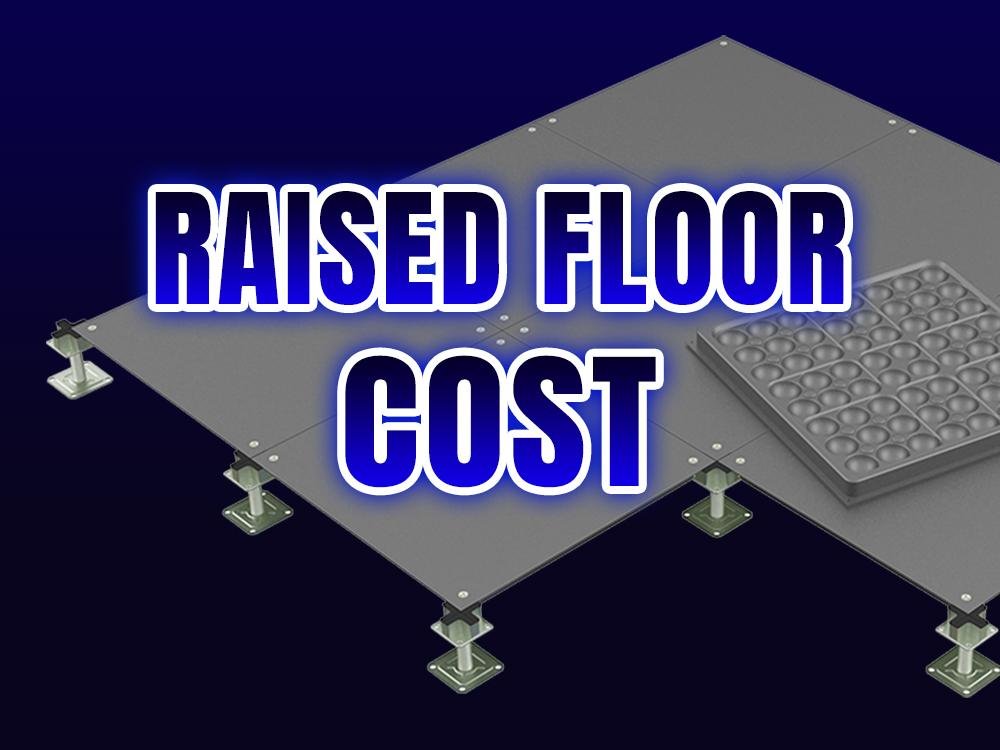
When considering the costs associated with a raised floor system, several critical factors come into play. These factors can significantly influence the overall price, including:
- Material Type: The choice of materials, such as wood, steel, or composite, can vary in price and durability.
- Height of the Raised Floor: Higher structures typically require more materials and labor, increasing costs.
- Load Capacity: Floors designed to support heavier loads will often require more robust materials and engineering, affecting the bottom line.
- Installation Complexity: Spaces that need extensive customization or face structural challenges may incur additional labor costs.
Moreover, geographical location plays a significant role in determining costs, as labor and material prices can fluctuate widely based on local markets. It’s also essential to consider ongoing maintenance and potential future modifications that might be necessary. Below is a concise comparison of different material options and their average cost ranges to give you a clearer picture:
| Material Type | Average Cost per Square Foot ($) |
|---|---|
| Wood | 8 – 12 |
| Steel | 10 – 15 |
| Composite | 12 – 18 |
Comparative Analysis of Material Options for Raised Flooring
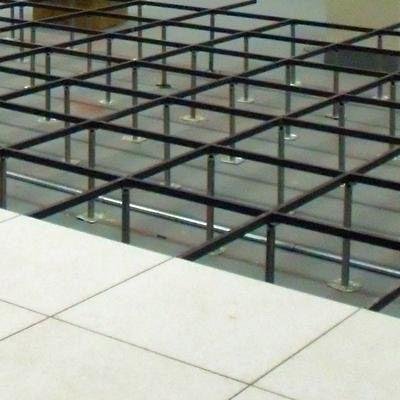
When considering raised flooring systems, various materials stand out, each offering unique advantages and drawbacks. Commonly used materials include steel, aluminum, wood, and calcium sulfate. Steel and aluminum are renowned for their durability and strength, making them ideal for high-traffic environments. However, their costs tend to be higher compared to other options. In contrast, wood is aesthetically pleasing and provides a warm ambiance, suitable for spaces where design is paramount, although it may require more maintenance. Calcium sulfate panels, known for their sound-dampening properties, are excellent choices for environments where acoustics are critical.
When evaluating the cost-effectiveness of these materials, it’s essential to consider both initial investment and long-term maintenance. Below is a brief comparison of estimated upfront costs and key features of each material option:
| Material | Estimated Cost per sq. ft. | Key Features |
|---|---|---|
| Steel | $6 – $10 | Durability, Fire resistance |
| Aluminum | $5 - $9 | Lightweight, Corrosion-resistant |
| Wood | $4 – $8 | Aesthetic appeal, Insulation |
| Calcium Sulfate | $4 - $7 | Sound dampening, Moisture resistance |
Ultimately, the choice of material will significantly impact both the overall cost of installation and the performance of the flooring system. Conducting a thorough analysis of how each option meets your specific needs while balancing budget constraints is crucial in making an informed decision.
Budgeting for Installation: What to Expect
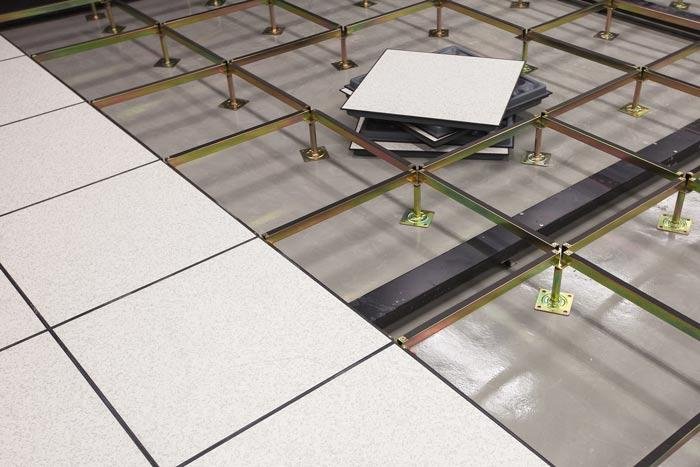
When considering the installation of a raised floor, it’s essential to budget not only for the materials but also for the various associated costs. The total expense can broadly be divided into immediate material costs and indirect fees that might arise during the process. Key factors influencing the overall budget include:
- Material Quality: Higher-quality materials will naturally increase initial costs but may offer better durability.
- Installation Complexity: Complex patterns and requirements can require more labor and increase installation times.
- Size of the Area: A larger area will logically demand a larger volume of materials and labor.
- Finishing Touches: Custom finishes or additional features like cable trays will also affect the overall price.
To help you navigate through the potential expenses, here’s a simplified table that outlines the typical cost breakdown:
| Cost Component | Estimated Range |
|---|---|
| Material Costs (per sq ft) | $5 – $12 |
| Labor Costs (per sq ft) | $3 – $8 |
| Finishing Costs | $2 – $5 |
| Additional Features | $1 – $4 |
Anticipating these aspects can aid in establishing a more accurate and manageable budget as you proceed with your raised flooring project.
Long-Term Value: Maintenance and Durability Considerations
When considering the investment in a raised floor system, long-term value largely hinges on its maintenance and durability. A well-constructed raised floor can endure the test of time, minimizing the need for frequent repairs or replacements, which could otherwise inflate overall costs. Factors influencing the longevity of these systems include the materials used, the environmental conditions of the installation area, and the frequency of maintenance checks. Here are some key aspects to evaluate:
- Material Quality: High-grade components may have a higher initial cost, but they often yield better durability and lower maintenance over time.
- Installation Expertise: Proper installation is crucial; hiring skilled professionals can prevent future problems and ensure that the system operates effectively.
- Environmental Factors: Consider humidity, temperature variations, and foot traffic, as these can influence the floor’s lifespan.
Another essential aspect is the maintenance routine. Regular inspections and minor repairs can prolong the life of the raised floor while preserving its aesthetic appeal and functionality. Here’s a simple overview of potential maintenance tasks:
| Maintenance Task | Frequency | Description |
|---|---|---|
| Visual Inspection | Monthly | Check for any visible damage or misalignment. |
| Cleaning | Bi-Weekly | Dust and debris should be cleared to maintain aesthetics and functionality. |
| Professional Assessment | Annually | Engage professionals to evaluate the overall condition and perform necessary updates. |
Q&A
Q&A: The Cost of Installing a Raised Floor
Q: What is a raised floor, and why would I need one?
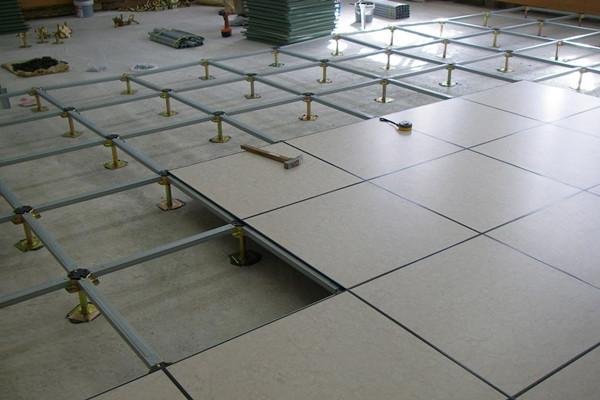
A: A raised floor is an elevated floor system that creates a space between the structural floor and the finished surface above. This space is commonly used for routing mechanical, electrical, and communications systems. You might consider a raised floor if you’re looking to improve data center efficiency, enhance office flexibility, or accommodate complex wiring needs.
Q: What factors influence the cost of installing a raised floor?
A: Several key factors come into play when determining the cost of a raised floor:
- Material Type: Options include steel, aluminum, wood, and even composite systems, each with varying costs.
- Height of the Raised Floor: Higher installations may require additional structural support, increasing the cost.
- Floor Area: Larger spaces naturally incur higher material and labor expenses.
- Load Requirements: The floor’s capacity to bear weight impacts the needed materials and supports.
- Finishing Options: Flooring finishes like carpet, tile, or vinyl will influence the overall budget.
Q: Can you estimate the price range for materials and installation?
A: While prices can vary widely based on the factors mentioned, a general estimate for a raised floor installation typically ranges from $25 to $75 per square foot. High-end options, like custom designs, could exceed this range. Obtaining quotes from multiple contractors is advisable for a clearer picture.
Q: Are there additional costs I should anticipate?
A: Yes, beyond installation costs, you may encounter other expenses such as:
- Disruption Costs: Downtime for a business during installation can affect profits.
- Maintenance Costs: Raised floors may require ongoing maintenance, especially if they house critical systems.
- Future Modifications: If your layout or tech needs change, interventions might necessitate costs later on.
Q: Is installing a raised floor a DIY project, or should I hire professionals?
A: While some skilled individuals might tackle smaller raised floor installations on their own, it’s generally recommended to hire professionals. The intricacies of ensuring structural integrity, adhering to safety regulations, and accommodating various utilities are best left to experts.
Q: How can I save costs when planning for a raised floor?
A: Consider the following tips to help manage expenses:
- Conduct Thorough Planning: A well-thought-out design minimizes changes later.
- Choose Standard Materials: Opting for readily available materials can reduce costs.
- Get Competitive Quotes: Gathering quotes from several contractors helps you find a reasonable price.
- Plan for Future Needs: Installing a floor with potential for upgrades might save you from costly reconstructions later on.
Q: What are the long-term benefits of investing in a raised floor?
A: Despite the upfront costs, a raised floor can yield significant long-term benefits, such as improved space utilization, enhanced equipment cooling, easier relocations of tech infrastructure, and increased property value. Over time, these advantages may offset initial expenses, making it a sound investment for many businesses.
Final Thoughts
the cost of installing a raised floor can vary widely depending on several factors, including materials, design complexity, and installation requirements. Understanding your specific needs and potential use cases—whether for a high-tech data center, an office space, or a residential setting—will guide you in making the best financial decision. While the initial investment might seem significant, the long-term benefits of adaptability, efficiency, and enhanced aesthetics often justify the expense. As you embark on this journey toward creating a more functional space, remember to weigh your options carefully, seek expert advice, and consider the true value of a raised floor in enhancing your environment. With the right planning and budget, you can elevate not just your flooring, but the very essence of your space.